
Alpine Infrastructure Partners Announces Acquisition of Hexad Solutions Group – Press Release

The Alpine Audit Process

Audits are an important part of utility pole network administration. Here’s how they work and why you should enlist Alpine and our experienced technicians to handle your audits for you.

Joint Use

Before heading into the field, Alpine works closely with your GIS, engineering and leadership teams to understand your audit objectives—whether the focus is on compliance, safety, billing, or a combination of priorities.

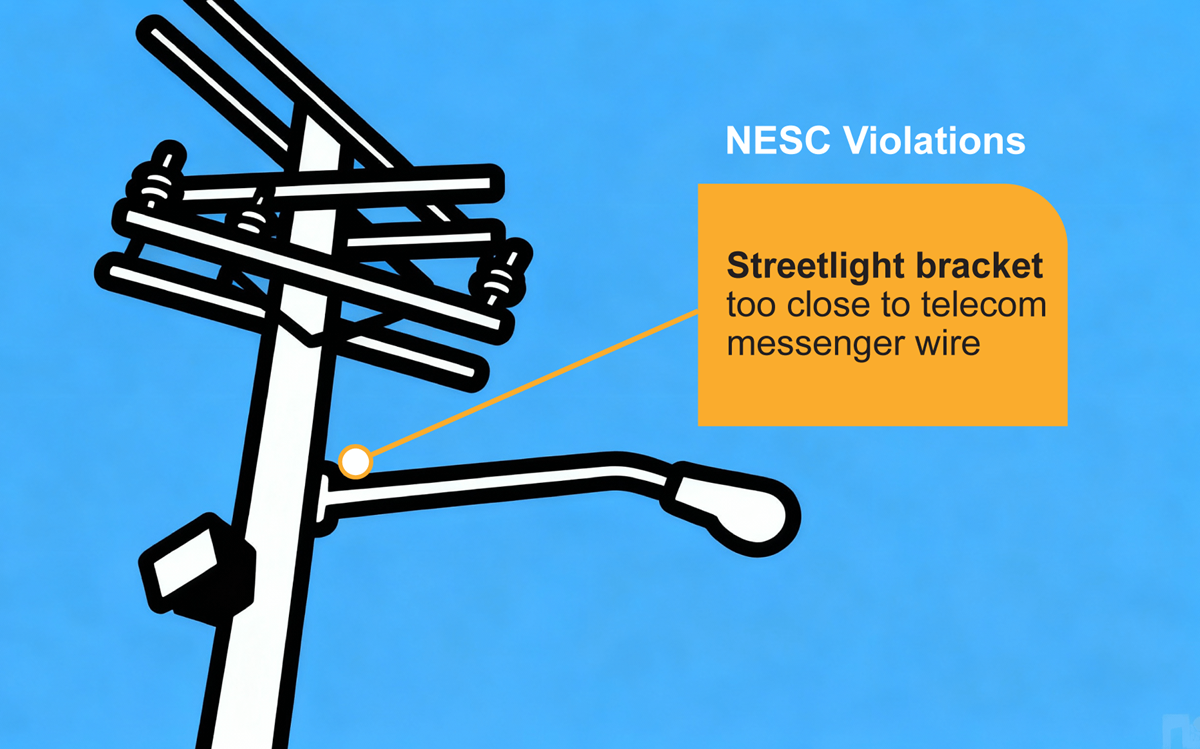
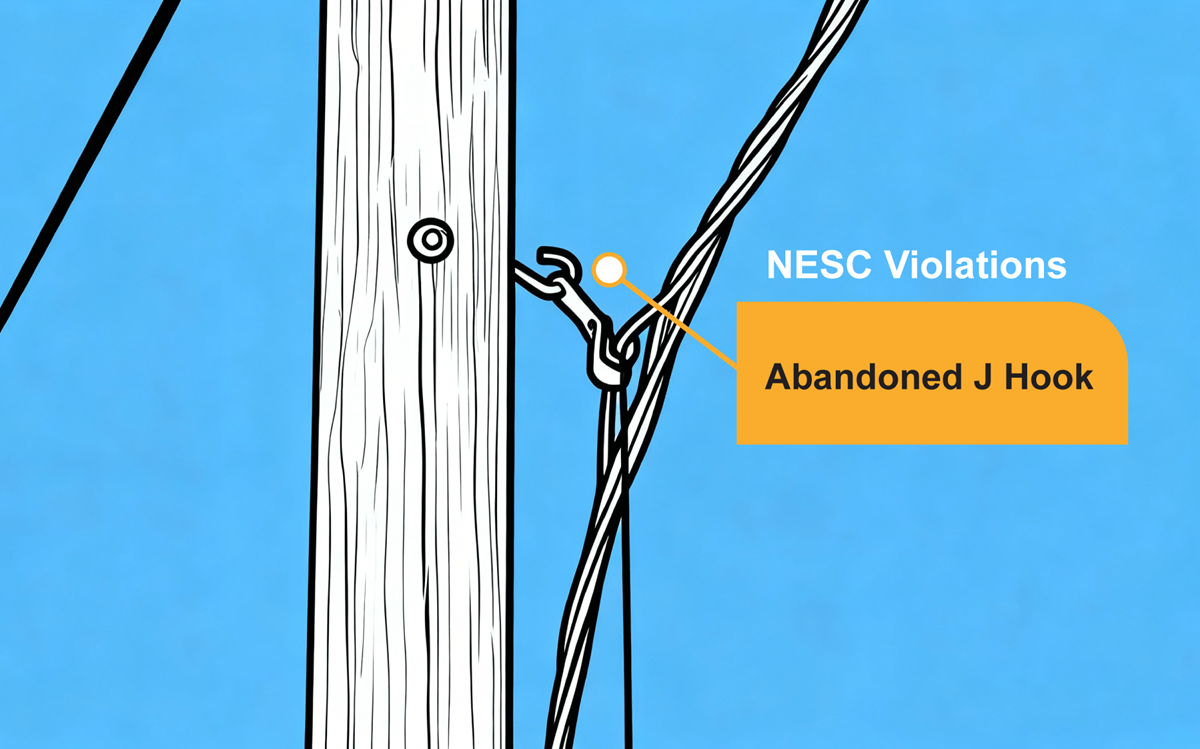
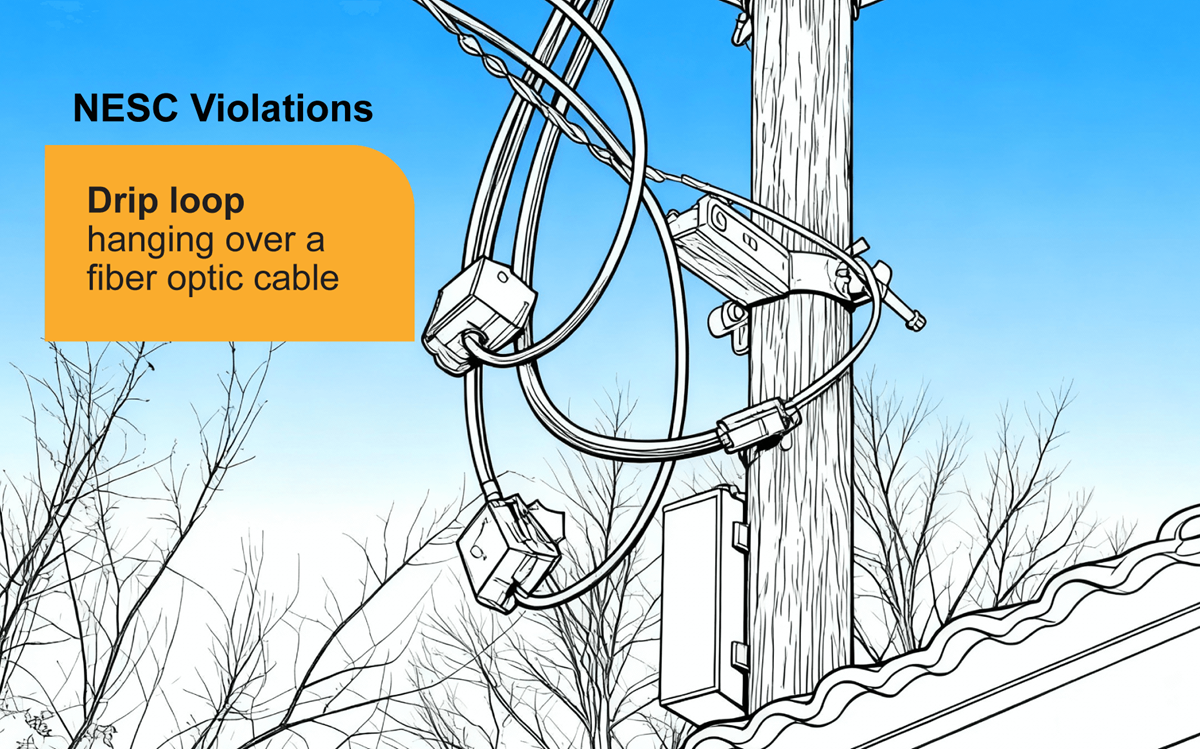
Alpine’s audits are flexible to meet your specific needs. We offer audits ranging from the simplest joint use and NESC compliance audits to the most complex power equipment and risk mitigation inventories. This adaptability ensures each audit aligns with your goals, whether operational, financial, or regulatory.

What’s Included in an Alpine Pole Audit

Pre-Audit Scoping

Preliminary work includes refining goals, reviewing existing data, and mapping target poles.

Field Inspections

Full-time Alpine crews collect GPS-tagged photos, verify attachments, and identify unauthorized/unsafe equipment.

QC and Data Validation

Internal teams cross-check findings for accuracy and resolve discrepancies.

Reporting

Delivering audit-ready reports with inventory details, safety issues, and revenue opportunities.

Back Billing & Integration Support

Integrating audit results into permitting and billing systems.
Power Equipment Inventory

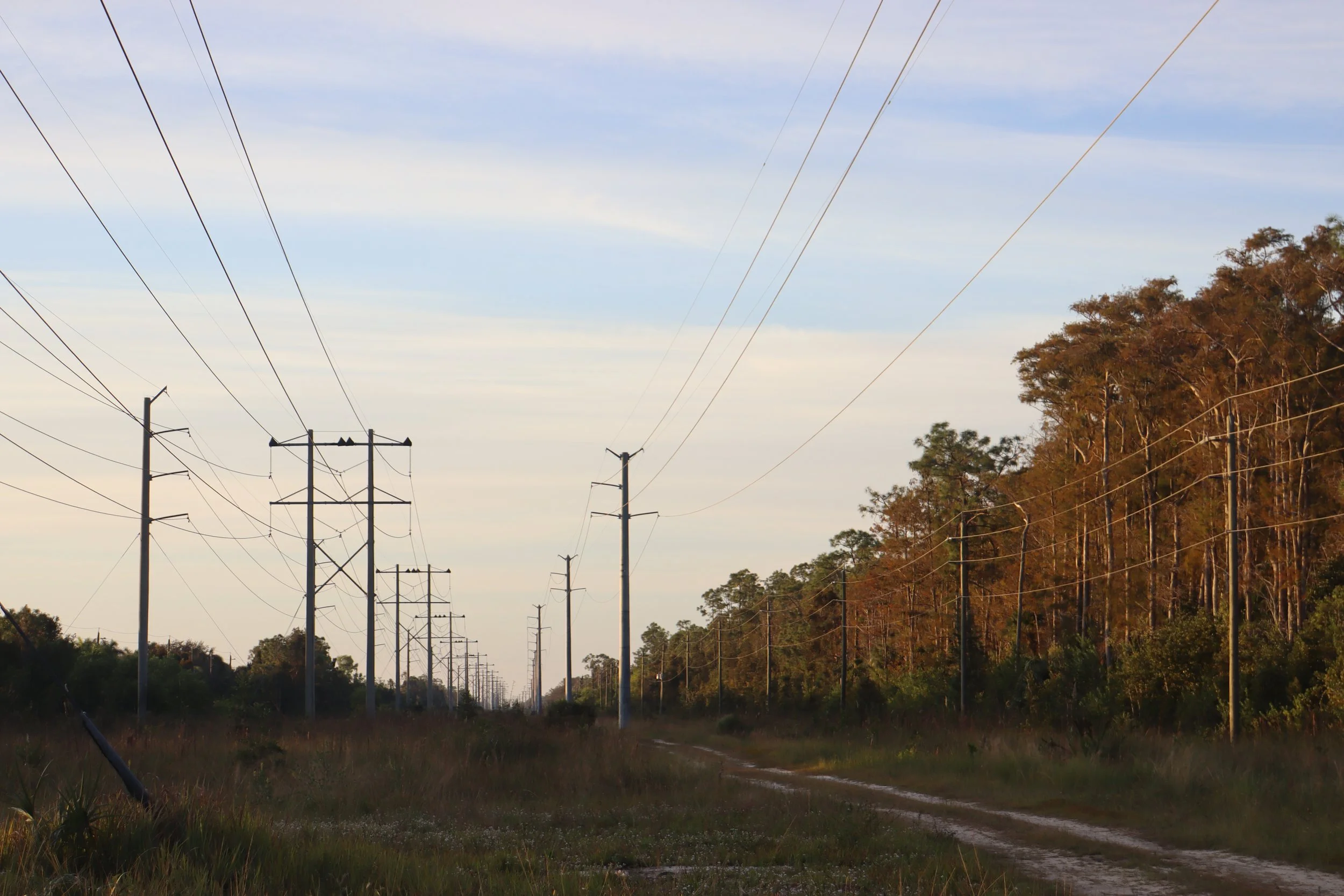
Developing an effective pole management strategy starts with a clear, accurate understanding of your assets. Many utilities lack complete or up-to-date documentation, and the presence of unauthorized attachments can make the picture even more complex and uncertain.

An Alpine pole audit typically includes features beyond just GPS, ownership, class, and joint use attachers. Alpine’s field engineers can shed light on aspects such as:

  • the presence of street lights and their size and type (e.g. mercury vapor)
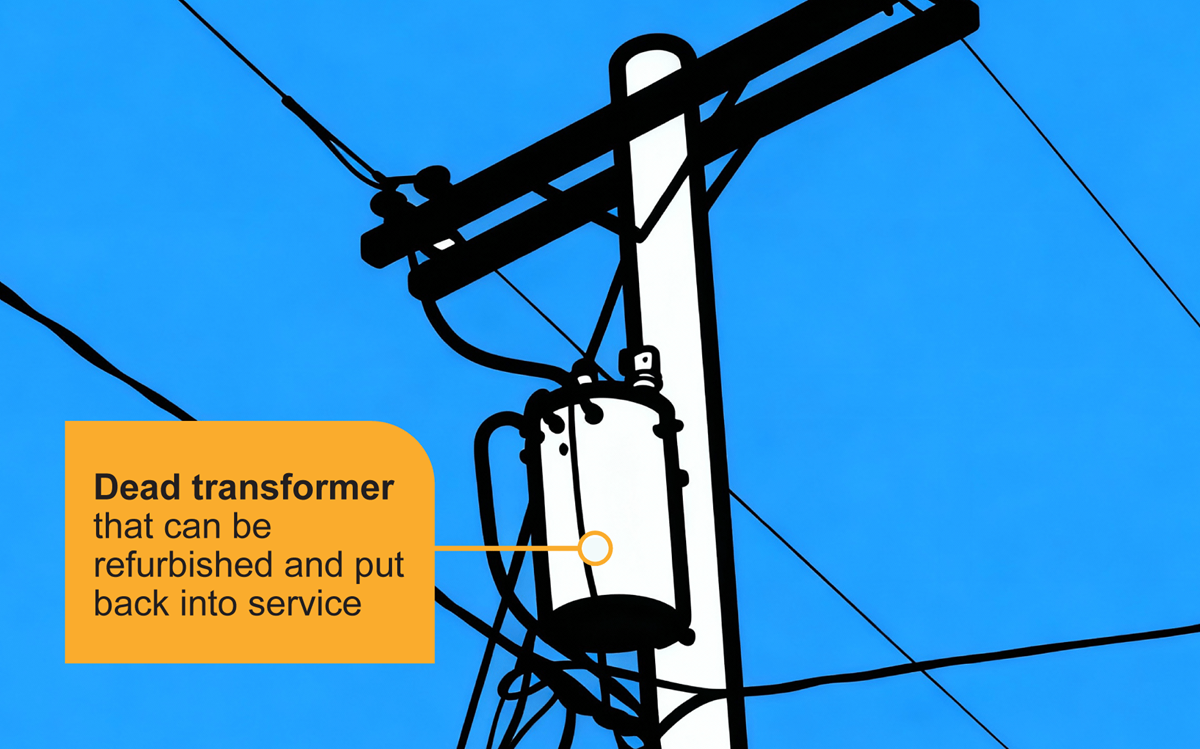
  • the presence of any transformers and their size and status
  • the presence of switches and their types (e.g. cutouts, disconnects); and
  • the physical integrity, treatment quality, and structural soundness of wood utility poles via materials testing.

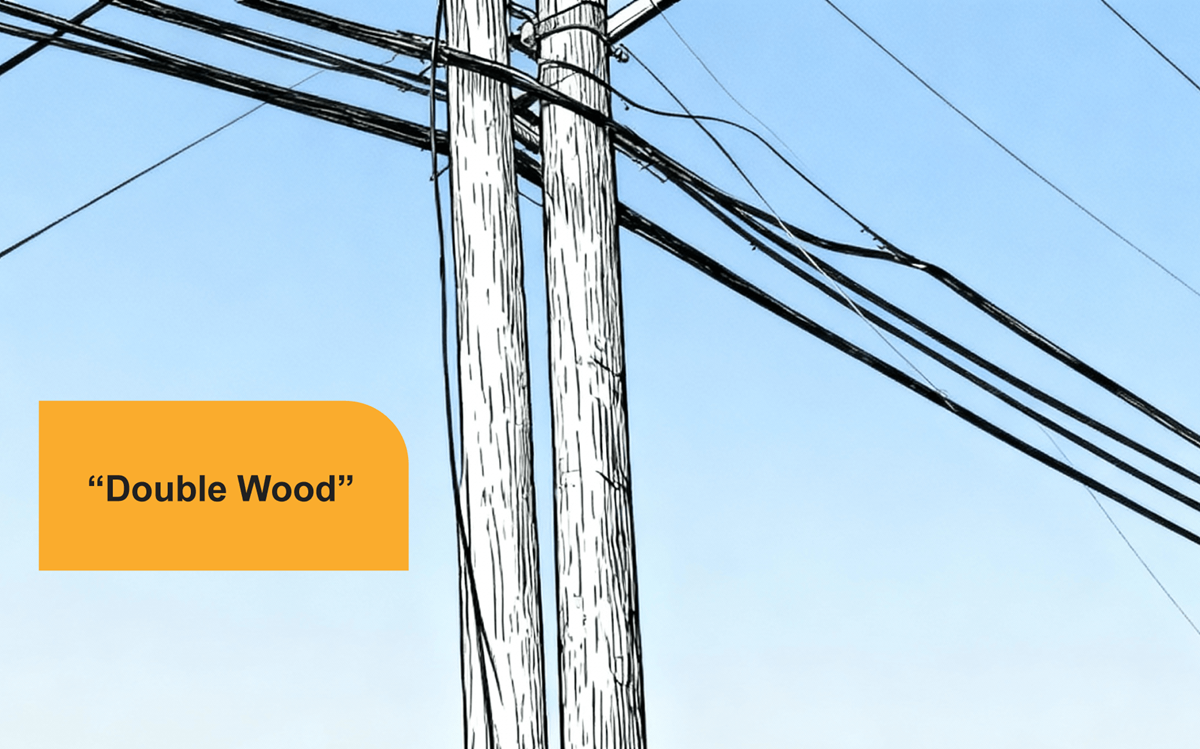
Double Wood Resolution

Double and even triple wood scenarios are common problems for utilities as they seek to harden and modernize their networks – third-party attachers delay transferring their lines and equipment to new poles.

An Alpine pole audit can identify double wood scenarios, create NJUNS tickets, update NJUNS tickets, and provide definitive attacher data to utilities seeking to reduce double wood scenarios on their network.

Delivery of Audit Data

Alpine delivers audit data in a variety of formats and can integrate with a wide range of software platforms, including GIS, asset management, and billing systems. Depending on your needs, we can provide a complete dataset at once or update your system incrementally as data is collected. For long-term engagements with large networks, data can be delivered on a rolling basis—typically monthly—ensuring records remain accurate, current, and fully actionable.


Audit View: Identifying What’s on the Pole

FAQs

Q: Are audit findings legally binding?

A: While audits themselves aren’t enforcement tools, they provide defensible documentation for regulatory compliance and cost recovery.

Q: Can you audit both wood and steel poles?

Absolutely. Audits cover all pole types and flag rust, grounding continuity, and structural degradation.

Q: How can a pole audit improve my joint use cost recovery?

A comprehensive audit identifies unreported attachments, unauthorized users, and rate misapplications—allowing utilities to recover missed rent, enforce contract terms, and renegotiate joint use agreements with accurate data.

Careers at Alpine

Our team includes engineers, field specialists, and infrastructure experts who bring decades of experience in joint-use and utility network management.